What we do

George Washington: Board Whisperer
July 28, 2026
Dear Friends of Trewstar,
Don’t laugh when I tell you that I was on “vacation” last week, attending a Summer Classics discussion program at St John’s College’s Santa Fe, NM campus. With a group of like-minded folks we read and discussed Ron Chernow's Washington: A Life, all 817 pages of it, around a boardroom style table.
I didn’t sign up for the class to enhance my understanding of boardrooms, but because I thought it would be the perfect read on the occasion of our country’s 250th birthday. It was. I am in awe of all that happened – and almost did not happen – to make our country what it is today.
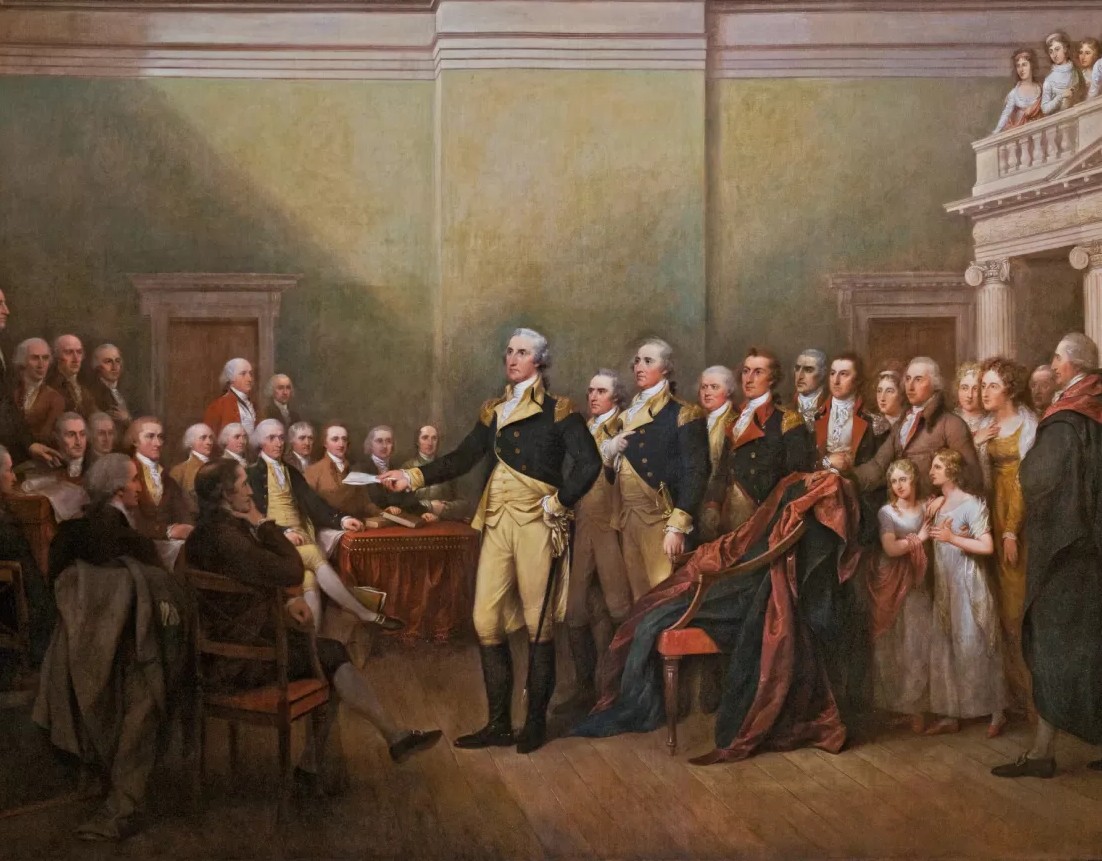
As I read, I thought, “I have been in boardrooms with this man.” Not literally, obviously. But the dynamics Chernow describes are the same dynamics that play out in boardrooms in 2026. Washington brilliantly managed strong-willed people who often didn't agree with each other and most importantly, he was a leader who decided, again and again, when to hold power and when to hand it back.
The original "all-star team"
Longtime readers of our TrewNews articles may remember our piece on how boards can resemble all-star teams. In it, we described a familiar dynamic: when everyone’s a superstar, it can be a challenging environment. Washington lived that problem for years. His first cabinet, a “small but stellar group” in Chernow's words, consisted of Thomas Jefferson and Alexander Hamilton, among others. It was also a combustible one. Jefferson and Hamilton famously loathed each other, both politically and personally.
Washington did not suppress disagreement. He solicited a chorus of opinions and let the opposing views air out. He did not need cabinet members to agree with him or with one another. He only required their candor and the full extent of their considerations of the matters at hand. Chernow repeatedly calls Washington the “silent type.” I came to realize how strategically he used silence: to learn, to consider, and to lead.
Composure was the strategy, not the personality
Washington was not naturally calm. He had, by all accounts, a big temper. What people experienced as stalwart self-possession was, in fact, hard won self-control, a quality that he had painstakingly developed and maintained. In his second term, he was being savaged in the press, which had labeled him a closet monarchist who was betraying the principles of the Revolution he had led. Despite being genuinely hurt by attacks from men he considered friends, he absorbed almost all of it without public retort.
Anyone who has had to lead through activist attacks, a corporate crisis, or hostile press coverage knows that the composure the market rewards is rarely innate. It is a discipline that must be learned and followed, whether one has only one’s colleagues or the whole world as witness.
The decisions that mattered most were to leave
Washington’s most consequential acts of leadership were both exits. When the war ended in 1783, he was at the height of his popularity. Many expected him to assume political leadership immediately. Instead, he resigned his military commission and went home to Mount Vernon. In 1789, by unanimous vote, he returned to public life as our first president. He reluctantly stayed a second term, mainly because he feared the Hamilton-Jefferson feud would tear the young country apart without his stabilizing presence. Once he felt the institution could survive his departure, he left. Through this awareness of his role within the institution, Washington’s farewell set the presidential two-term precedent that held for nearly a century and a half.
What a man, but not a perfect one
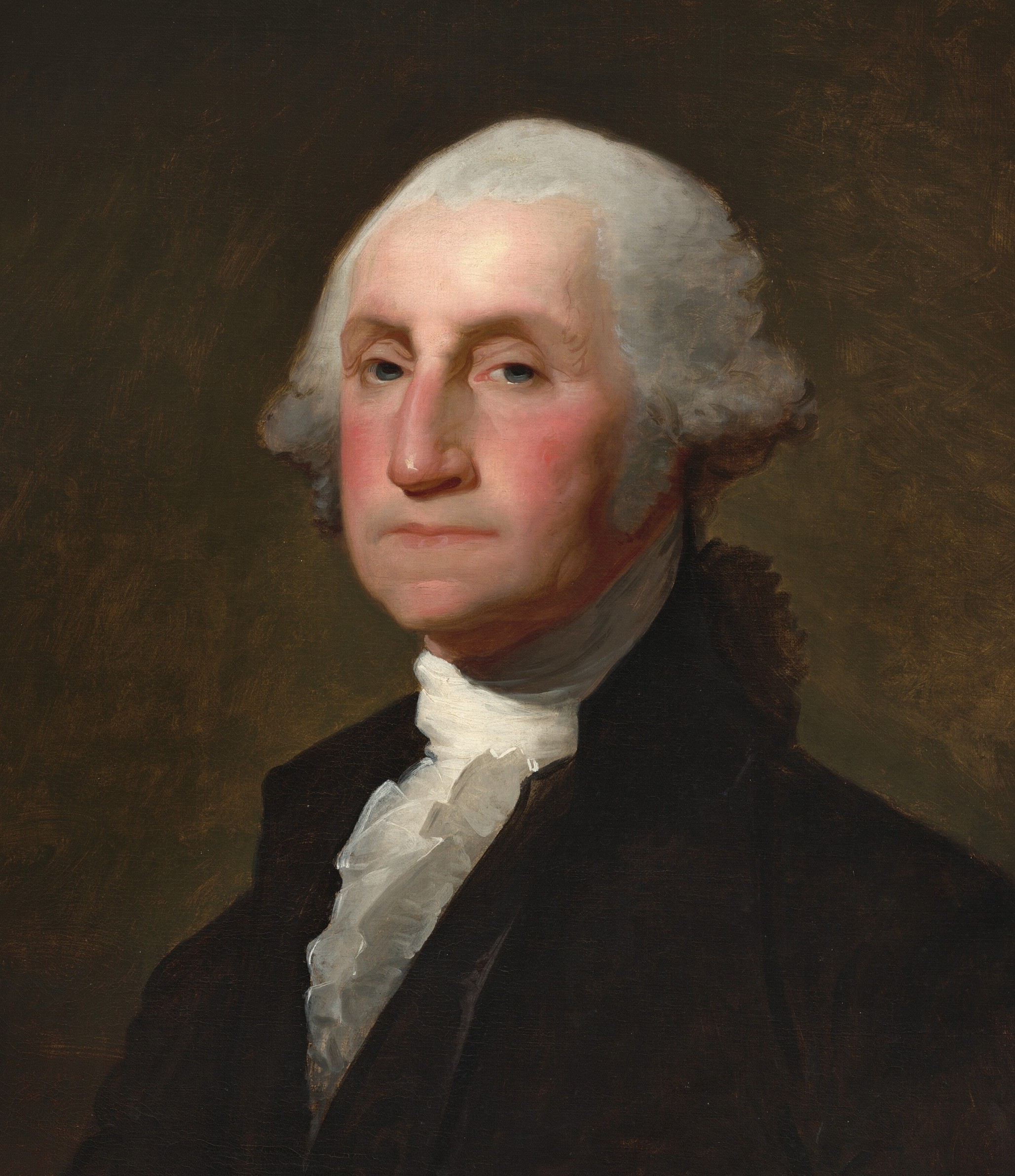
Chernow’s Washington is not a marble statue. He is short-tempered, image-conscious, occasionally wrong about people, and often desperate to quit. He was also childless, which might have made it easier for him to insist that he was not going to return the US to a monarchy. But his style of leadership as demonstrated by his solicitation of dissent, his maintenance of public composure, his willing departures, overcame any personal foibles. Any of us running a company, chairing a board, or trying to hold a room of “all-stars” together could do worse than to borrow from Washington’s playbook.
It is truly something of a miracle that we live in a democracy with the freedom to consider the best approaches to corporate governance, among many other freedoms. God Bless America and its first president!
All the best,

Beth Stewart and the Trewstar Team
P.S. Links you might be interested in:
- https://www.trewstar.com/trewnews (look for July 19, 2024, Skill Set: Success. There Is No Diversity)
- https://www.sjc.edu/lifelong-learning/summer-classics (2026 sessions are finished, but you can see what they offered)
- https://www.amazon.com/Washington-Life-Ron-Chernow-ebook/dp/B003ZK58SQ?ref_=ast_author_mpb (note: I would get the audiobook as a supplement to the written text, nice to be able to switch between reading and listening)
We also enjoyed:
- Young Washington, the new movie
- Washington, a three-part series on Netflix and
- Listening again to the Hamilton Broadway show soundtrack